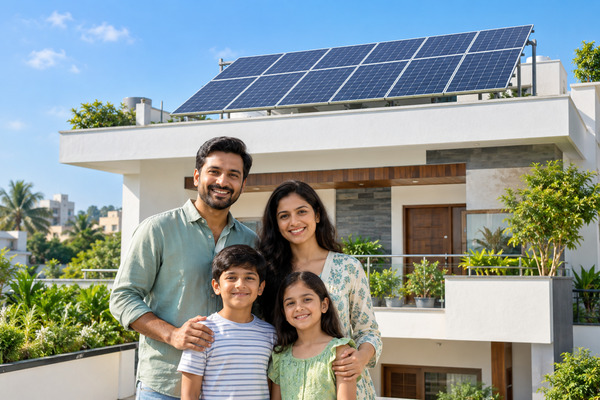
Residential Solar
Customized rooftop solar systems designed to reduce household electricity bills and provide clean energy for your home.
Read Full DetailsExplore customized solar solutions for homes, businesses, industries, agriculture and public infrastructure.
Select a service to view its complete information, important benefits and suitable applications on this page.
Customized rooftop solar systems designed to reduce household electricity bills and provide clean energy for your home.
Read Full Details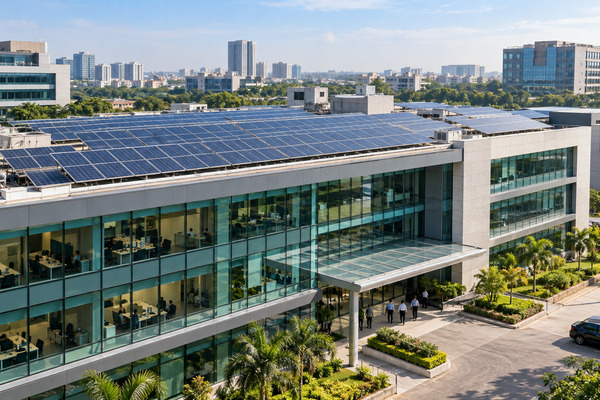
Cost-efficient solar power systems for offices, shops, schools, hospitals and other commercial properties.
Read Full Details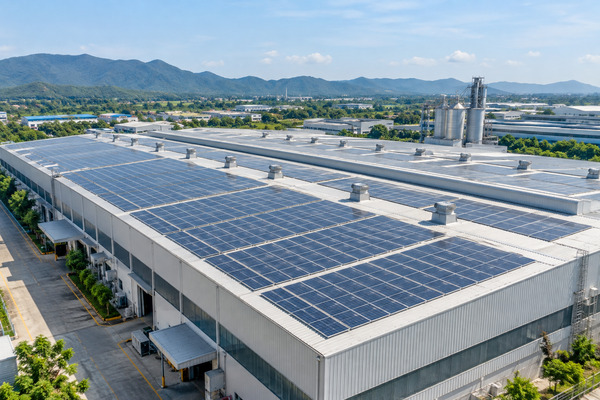
High-capacity solar solutions for factories, warehouses and manufacturing facilities with substantial electricity requirements.
Read Full Details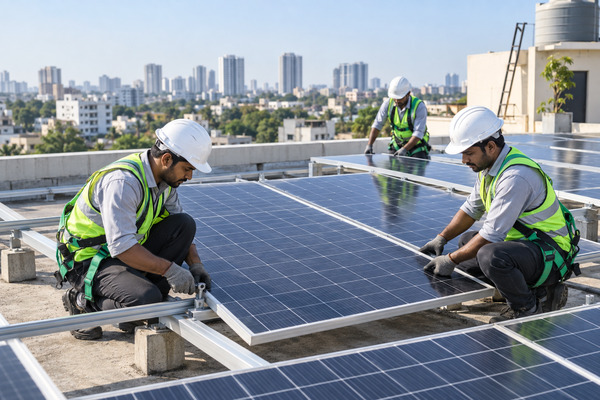
Efficient rooftop solar systems that convert available roof space into a source of clean and renewable electricity.
Read Full Details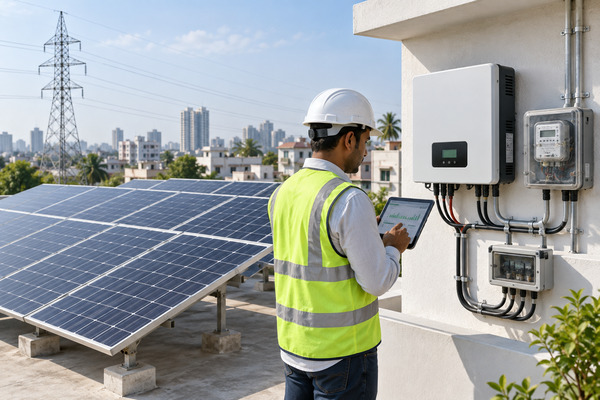
Grid-connected solar systems designed to reduce electricity consumption from the local utility supply.
Read Full Details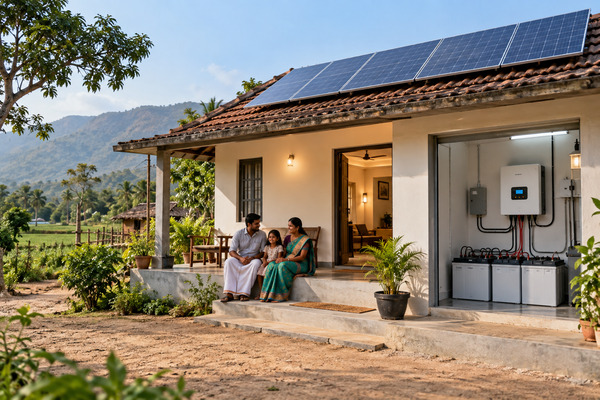
Independent solar systems with battery storage for remote locations and properties requiring power backup.
Read Full Details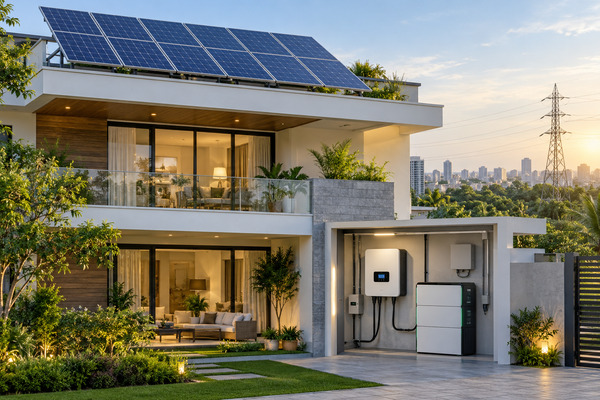
Solar solutions combining grid connectivity and battery backup for greater flexibility and energy independence.
Read Full Details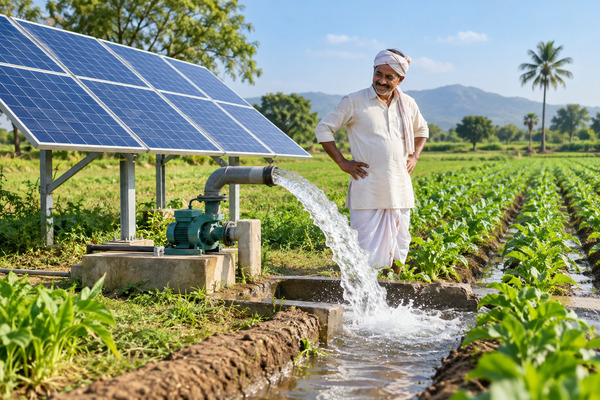
Solar-powered water pumping solutions for agriculture, irrigation, farms and rural water requirements.
Read Full Details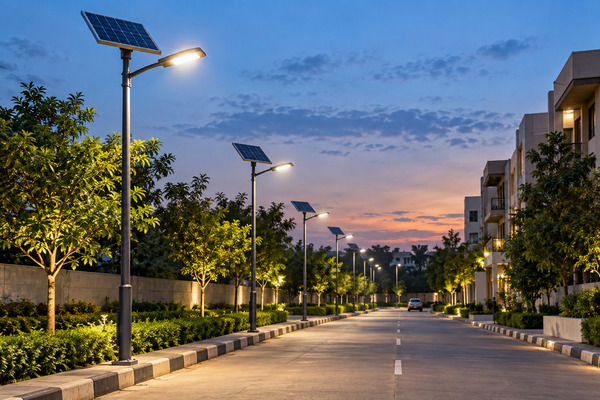
Independent solar lighting systems for roads, campuses, societies, factories and public spaces.
Read Full Details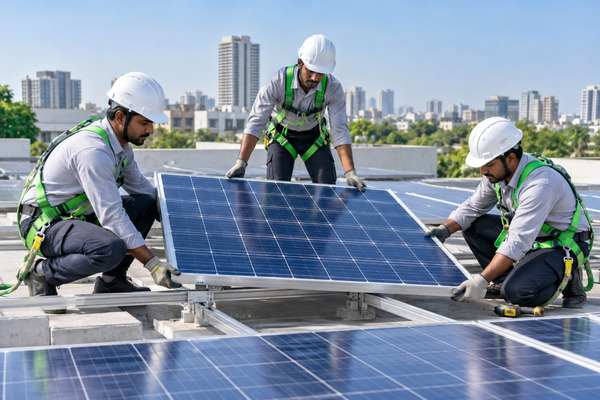
Professional solar panel mounting, wiring, inverter installation, testing and commissioning services.
Read Full Details
Guidance for eligible residential consumers applying for rooftop solar through the PM Surya Ghar National Portal.
Read Full Details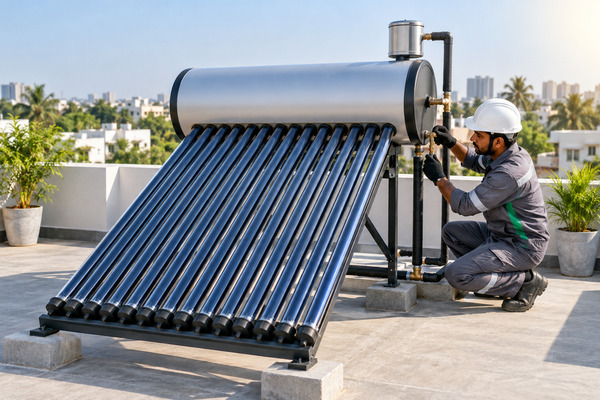
Solar water-heating systems for homes, hotels, hospitals and properties with regular hot-water requirements.
Read Full DetailsLearn how every solar solution works and where it can be used.
Residential solar systems allow homeowners to generate electricity from sunlight using solar panels installed on the available rooftop area. A properly planned system can reduce dependence on grid electricity and help control rising electricity expenses.
AR Solar Solution evaluates your electricity consumption, sanctioned load, rooftop space, sunlight availability and budget before recommending a suitable residential solar capacity. We provide guidance for on-grid, off-grid and hybrid systems according to your requirements.
Commercial properties often have significant daytime electricity consumption. A properly designed commercial solar system can generate electricity during business hours and reduce the amount of power purchased from the electricity grid.
We plan commercial solar installations according to the property load, operating hours, rooftop or open-space availability and expected energy requirements. The system design may include grid-connected, hybrid or specialized configurations depending on the project.
Industrial facilities generally consume large amounts of electricity for machinery, production and daily operations. Industrial rooftop solar can help offset a portion of this daytime electricity demand through on-site renewable energy generation.
Our planning process considers connected load, operational schedule, roof structure, available installation area and project objectives. Each industrial solar project requires proper engineering, component selection, electrical protection and installation planning.
Rooftop solar panels generate DC electricity from sunlight, which is converted into usable AC electricity through a solar inverter. Depending on the selected configuration, the generated electricity can be consumed directly, exported to the grid or stored in batteries.
Before installation, factors such as rooftop direction, shadow, structural condition, panel layout and maintenance access should be evaluated. Proper planning helps ensure that the available space is used efficiently without compromising safety.
An on-grid solar system works together with the electricity grid. During sunlight hours, solar energy is used for the connected electricity load. Subject to applicable net-metering rules, surplus electricity may be exported to the grid.
Because a standard on-grid system normally does not include battery storage, it is generally more economical than battery-based systems. For safety reasons, the inverter switches off during a grid outage unless a compatible backup arrangement is included.
Off-grid solar systems operate independently from the electricity grid and store generated solar energy in batteries. The stored energy can be used after sunset, during low sunlight periods or when a conventional electricity connection is unavailable.
Correct battery and inverter sizing is important because the system must support the required appliances for the planned backup duration. Energy consumption, peak load and expected autonomy are considered during system selection.
A hybrid solar system combines solar panels, a compatible hybrid inverter, battery storage and grid connectivity. Solar energy can power the connected load, charge batteries and work with the electricity grid according to the system configuration.
Hybrid systems are useful for customers who want solar savings together with selected power backup. Battery capacity and backup load should be planned carefully because they significantly affect performance and overall project cost.
Solar water pumps use electricity generated by solar panels to operate a water pump. They can be used for agricultural irrigation, livestock water supply and other applications where daytime water pumping is required.
Pump capacity depends on water depth, discharge requirement, operating hours, pipe distance and irrigation needs. A proper technical assessment is necessary before selecting the solar panel capacity, controller and pump type.
Solar street lights combine a solar panel, battery, LED light and controller in an independent lighting system. The battery charges during daylight and powers the LED light automatically after sunset.
Lighting capacity and backup depend on the solar panel, battery, LED wattage and installation location. Correct pole placement and shadow-free solar panel positioning help improve charging and illumination.
Solar system performance depends not only on panel quality but also on proper installation. Panel direction, tilt, mounting strength, cable routing, earthing, electrical protection and inverter placement all require careful planning.
Our installation approach covers site assessment, layout planning, mounting structure, panel fitting, DC and AC wiring, inverter connection, safety checks and system testing. The final scope depends on the selected system and site conditions.
Under PM Surya Ghar: Muft Bijli Yojana, eligible residential consumers can apply for Central Financial Assistance through the official National Portal. Published central rates indicate ₹30,000 for 1 kW, ₹60,000 for 2 kW and a maximum ₹78,000 for systems of 3 kW or higher.
We can guide customers regarding portal registration, basic documentation, registered-vendor selection, installation details, net-metering steps and subsidy submission. Final approval and disbursement remain subject to portal, DISCOM and prevailing government requirements.
Solar water heaters use sunlight to heat water through collectors installed in an open and shadow-free area. The heated water is stored in an insulated tank for use according to the selected system capacity.
System size depends on the number of users, daily hot-water demand, installation location and water conditions. Correct placement, plumbing and insulation are important for efficient heating and reduced heat loss.
Eligible residential consumers may receive central financial assistance of ₹30,000 for 1 kW, ₹60,000 for 2 kW and up to ₹78,000 for systems of 3 kW or higher, subject to current government guidelines.
Subsidy approval and payment are controlled by the government portal and applicable DISCOM—not by the installation vendor.Brand selection depends on system type, required capacity, technical compatibility, project budget and current availability.



















We understand your electricity usage, property type and solar requirements.
Available installation space, shadow conditions and basic site requirements are reviewed.
A suitable system type, capacity and component configuration is recommended.
The selected solar system is installed, connected, checked and tested.
We provide assistance for operation, maintenance and service-related requirements.
Share your latest electricity bill, property type and location. Our team will help you understand the available solar options.